Kera
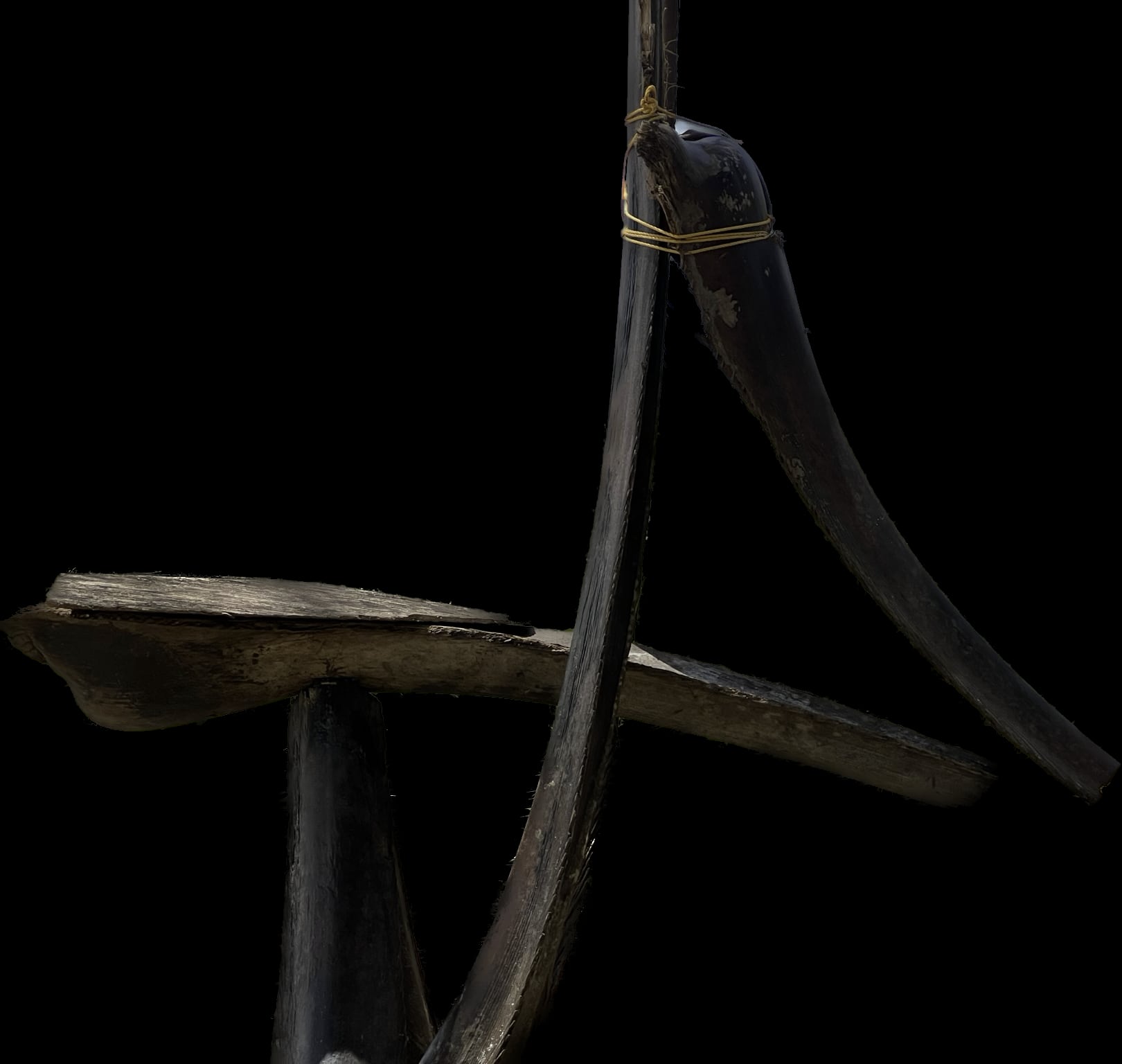
An experimental seat made in South India from coconut-related resources. The project began during a journey, observing how an everyday resource can become material, structure, and narrative.
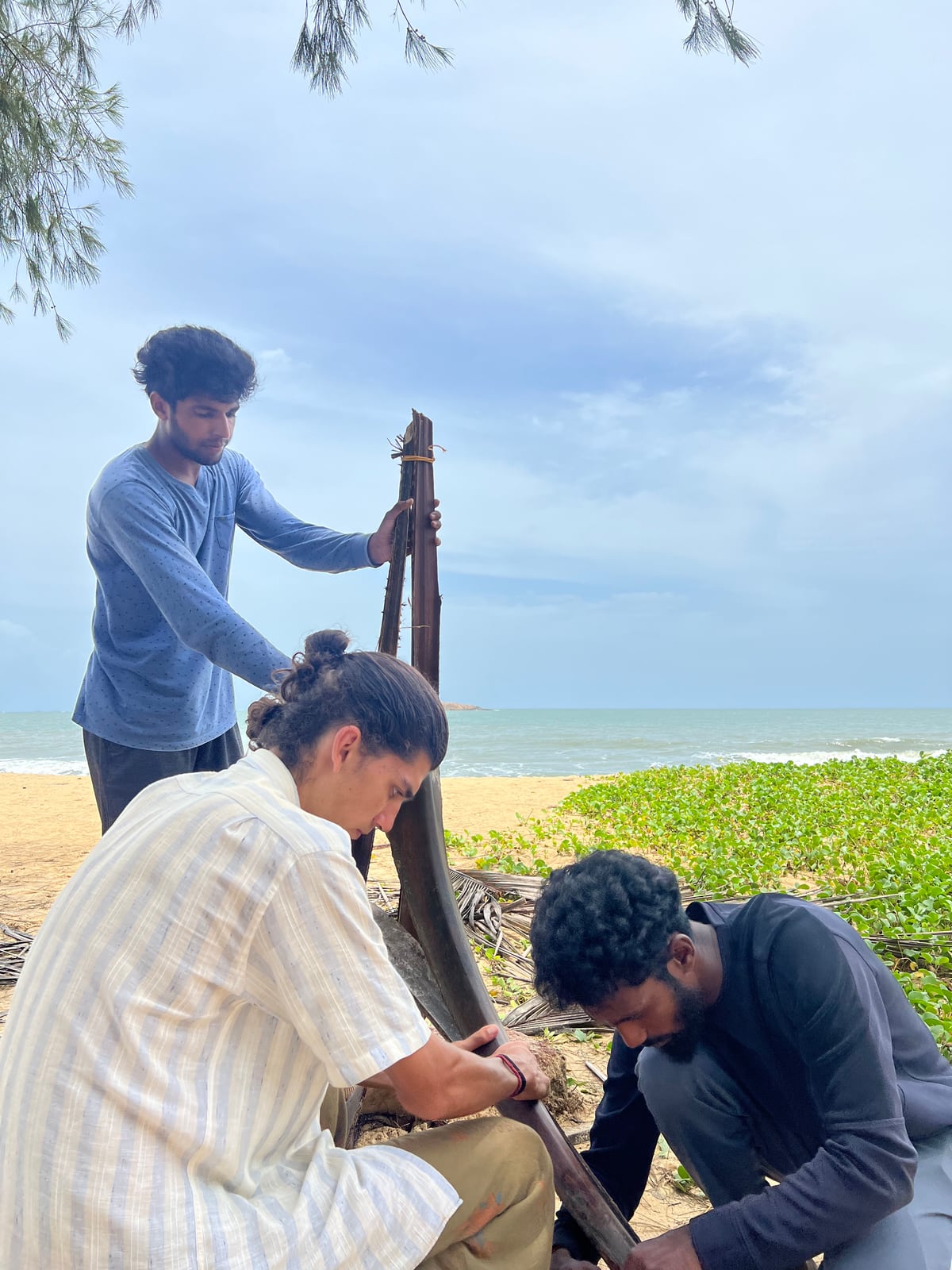
KERA works with what the place makes available: physical trials, real constraints, and a form built more through making than through a fixed drawing.
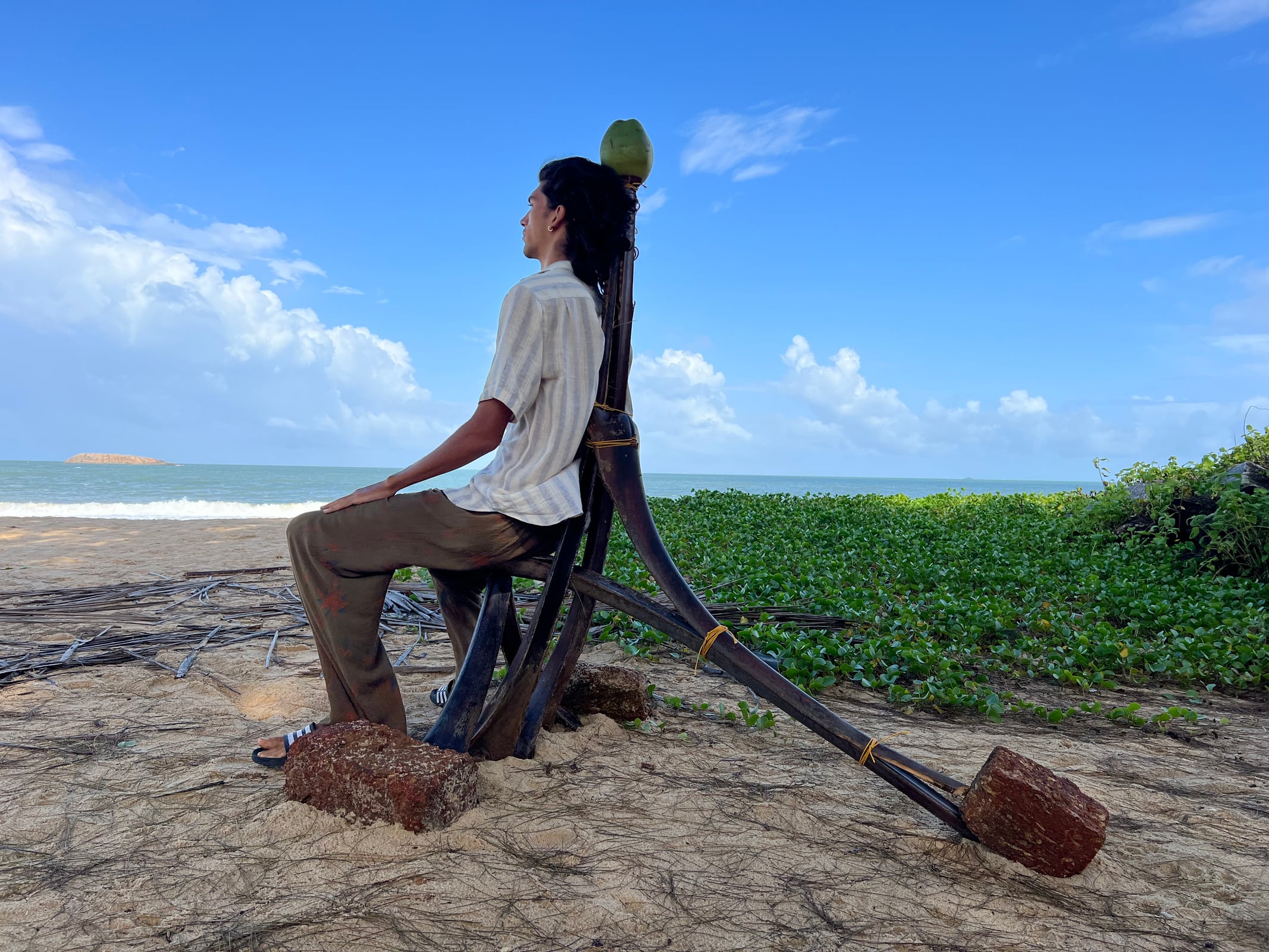
How can a place suggest an object before a final drawing exists?
Context
KERA begins with travel as a research method. Coconut is not treated as a simple image of the landscape, but as an everyday material system: food, water, fiber, shelter, structure, gesture.
How it was built
- 01
Observation of available resources and the ways they are used in context.
- 02
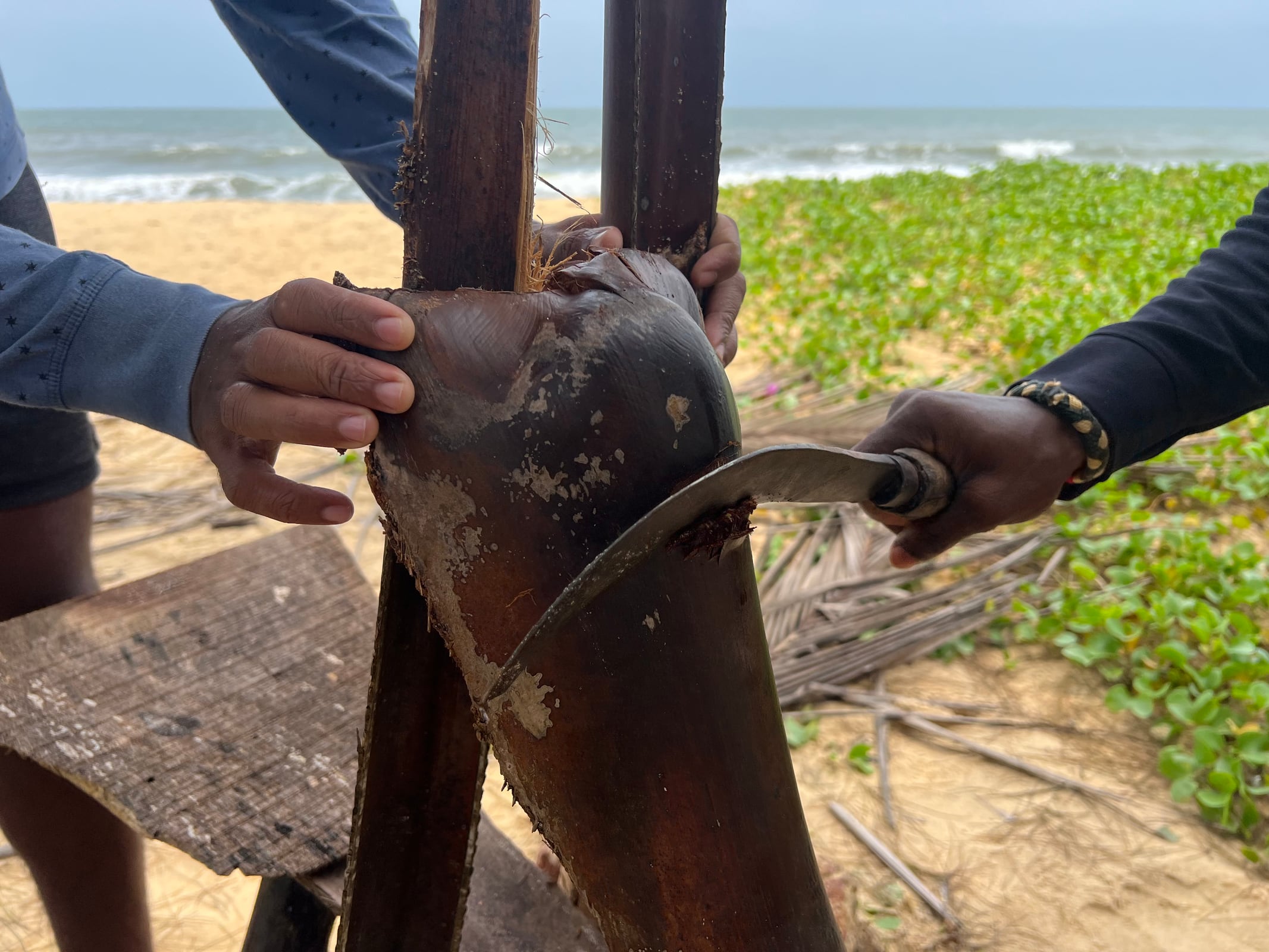
Direct experimentation with curvature, resistance, support, tying, and stability.
- 03
Field construction, accepting real constraints and available tools.
- 04
Documentation of the seat as both object and trace of process.
What came out
- Full-scale seating prototype
- Field prototyping process
- Material observations
- Photo documentation
- Project identity
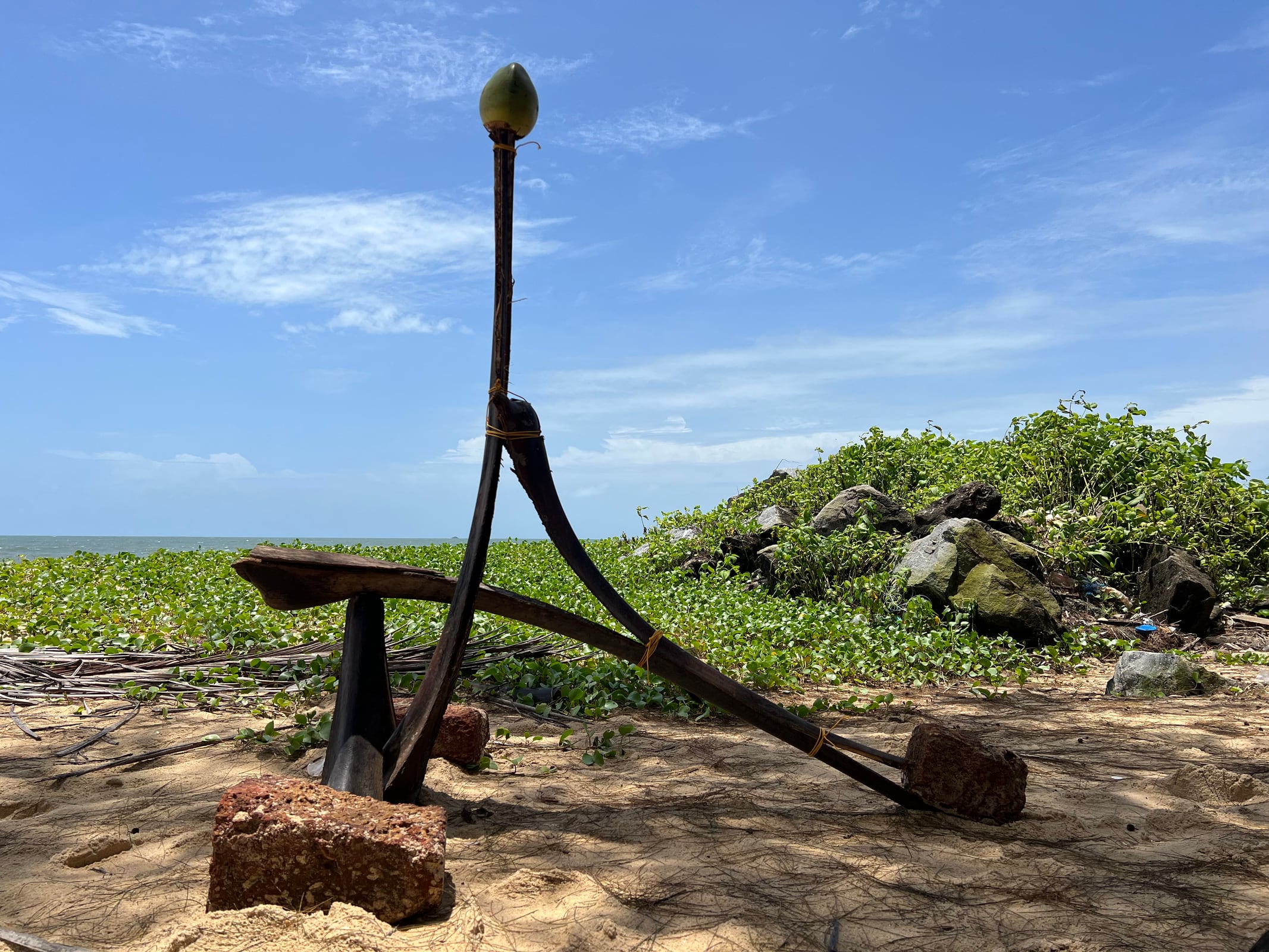
KERA does not try to import a solution. It works with a condition: what the place makes possible, what resists, and what allows itself to be transformed.