
KIN
A double teapot in black clay developed in Meghalaya, North-East India. Two distinct bodies, shaped to remain autonomous while belonging to the same ritual.
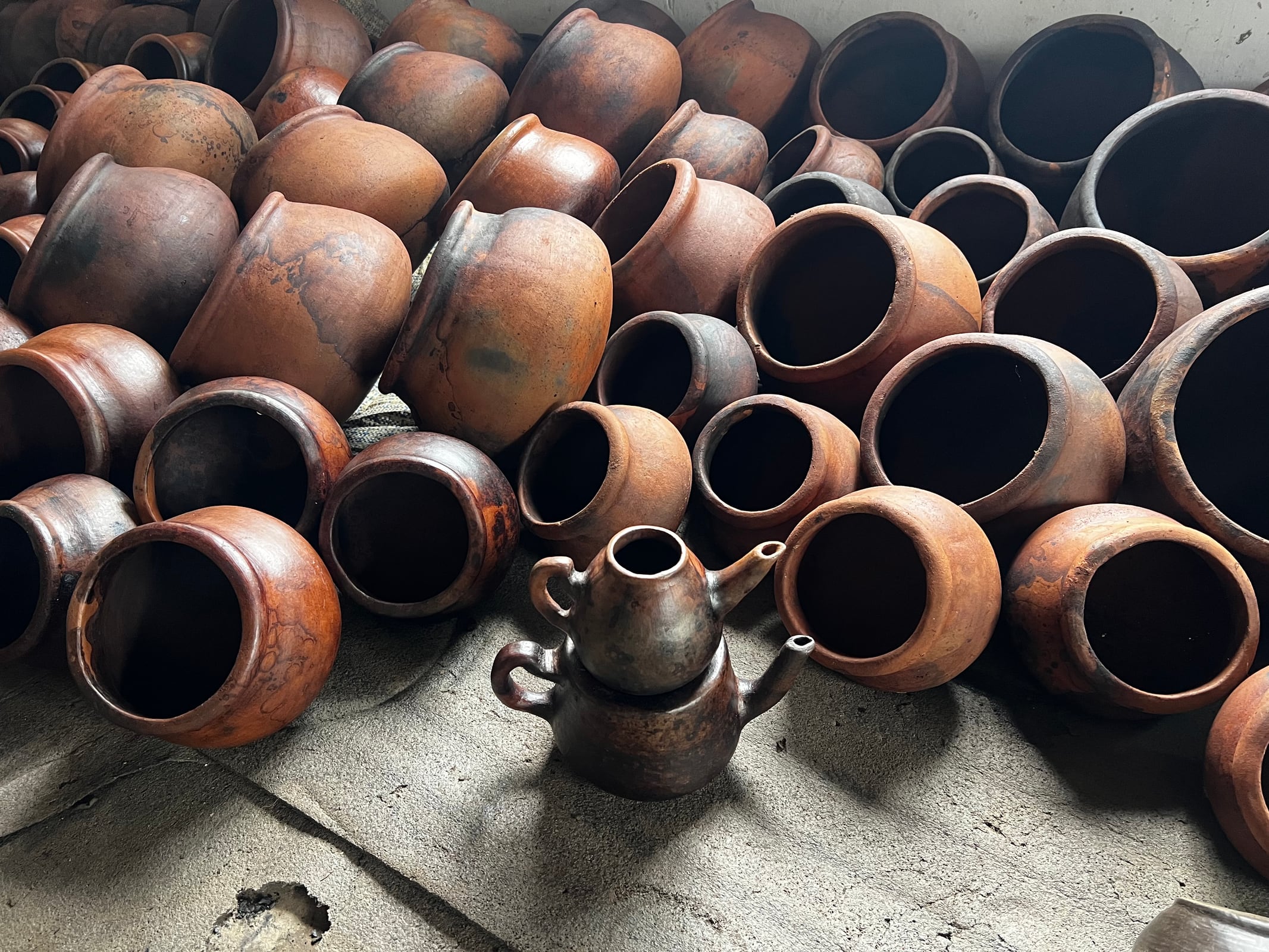
The project grew through dialogue with local black pottery practices, adapting proportions, gestures, and form to the real constraints of hand production.
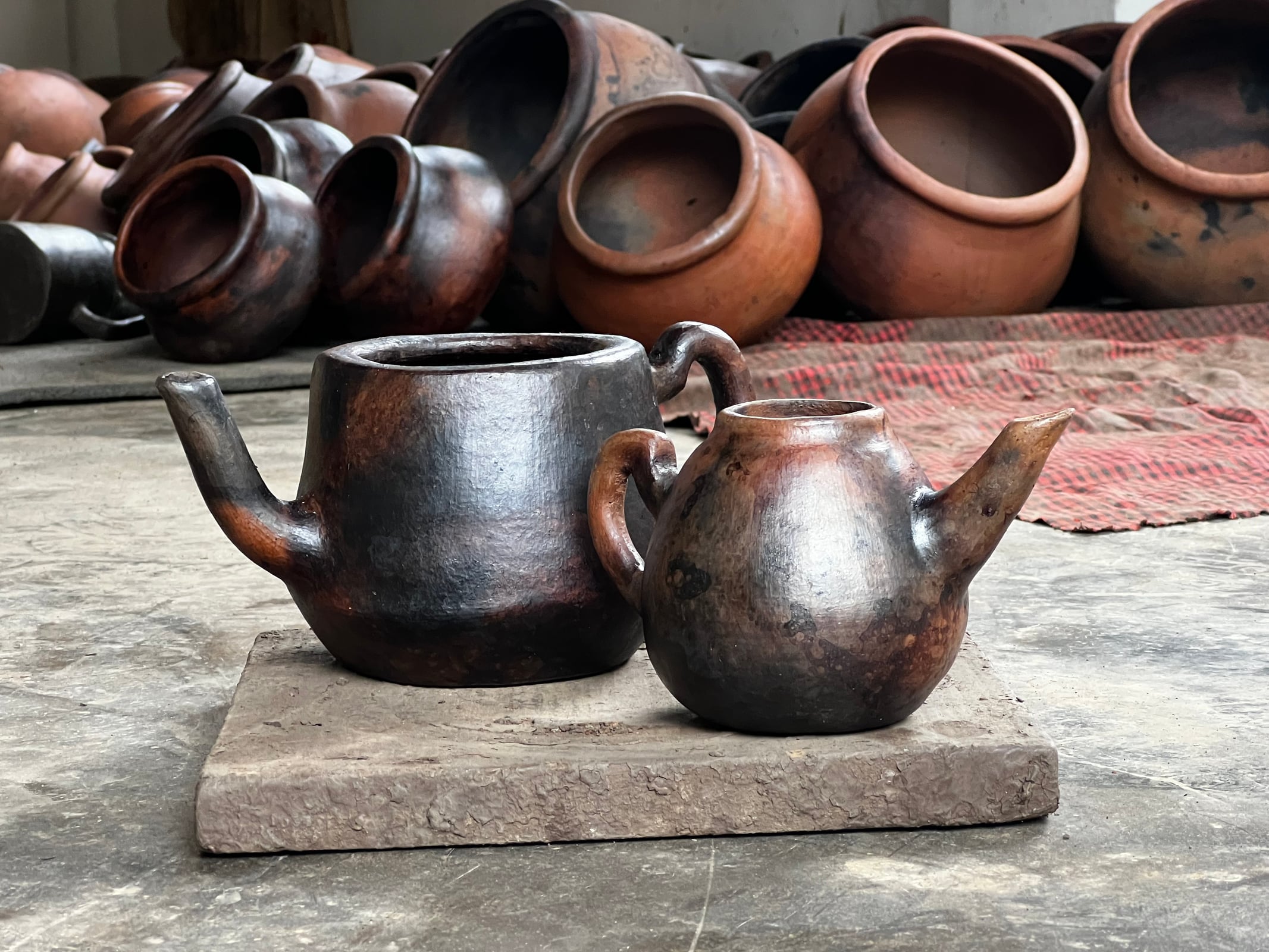
How do you design a pair of objects that remain separate while belonging to the same gesture?
Context
KIN was born during field research into black pottery. The project works on the relationship between two bodies, two presences, and a shared ritual, avoiding an overly literal reading of duality.
How it was built
- 01
Observation of the material, local techniques, and limits of manual production.
- 02
Development of proportions and views able to make the two bodies converse.
- 03
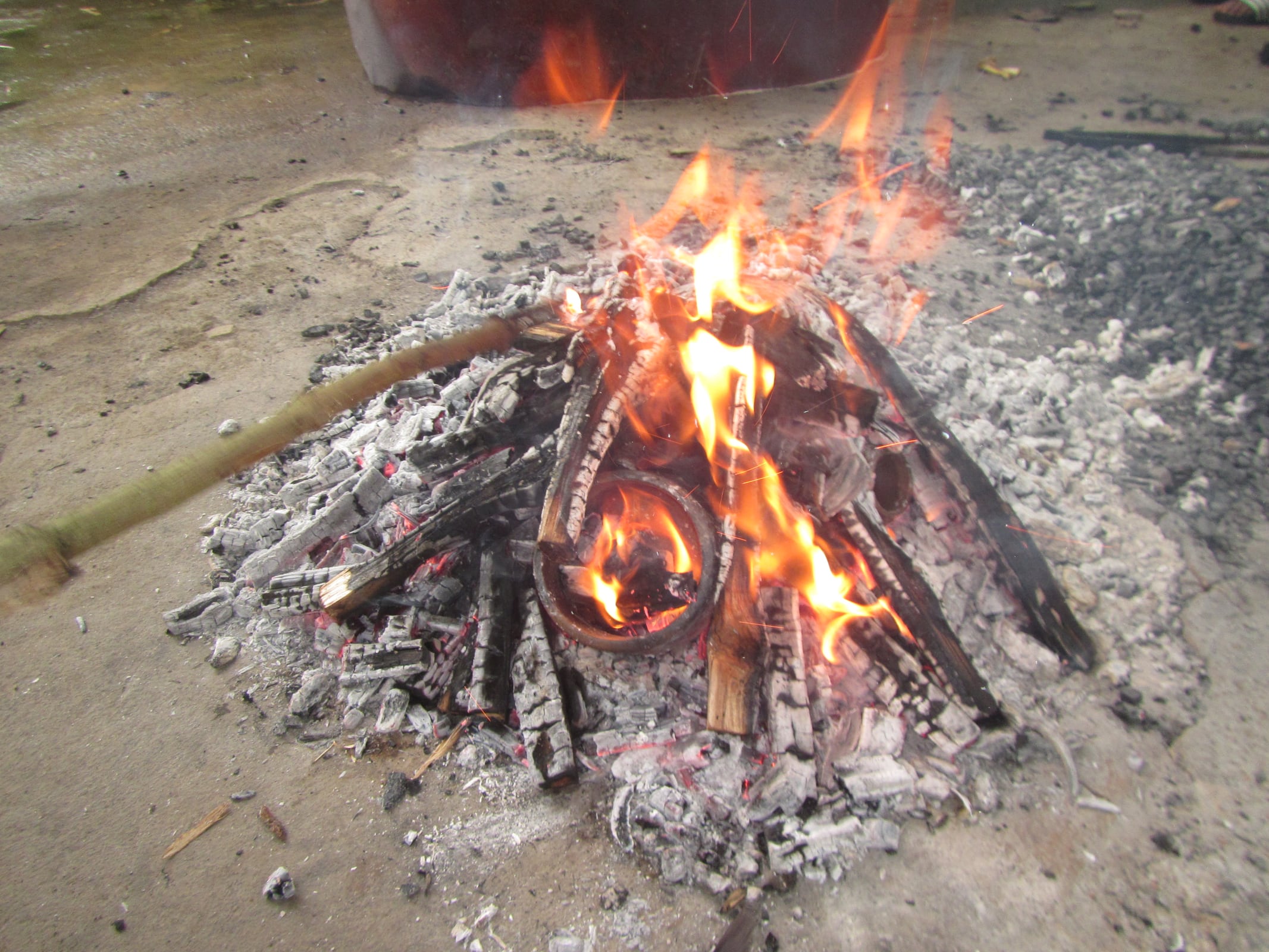
Adaptation of the imagined form to the real possibilities of craftspeople and firing.
- 04
Documentation of the process as a meeting between contemporary intention and production constraint.
What came out
- Pair of teapots
- Proportion studies
- Black clay prototype
- Field documentation
- Narrative direction
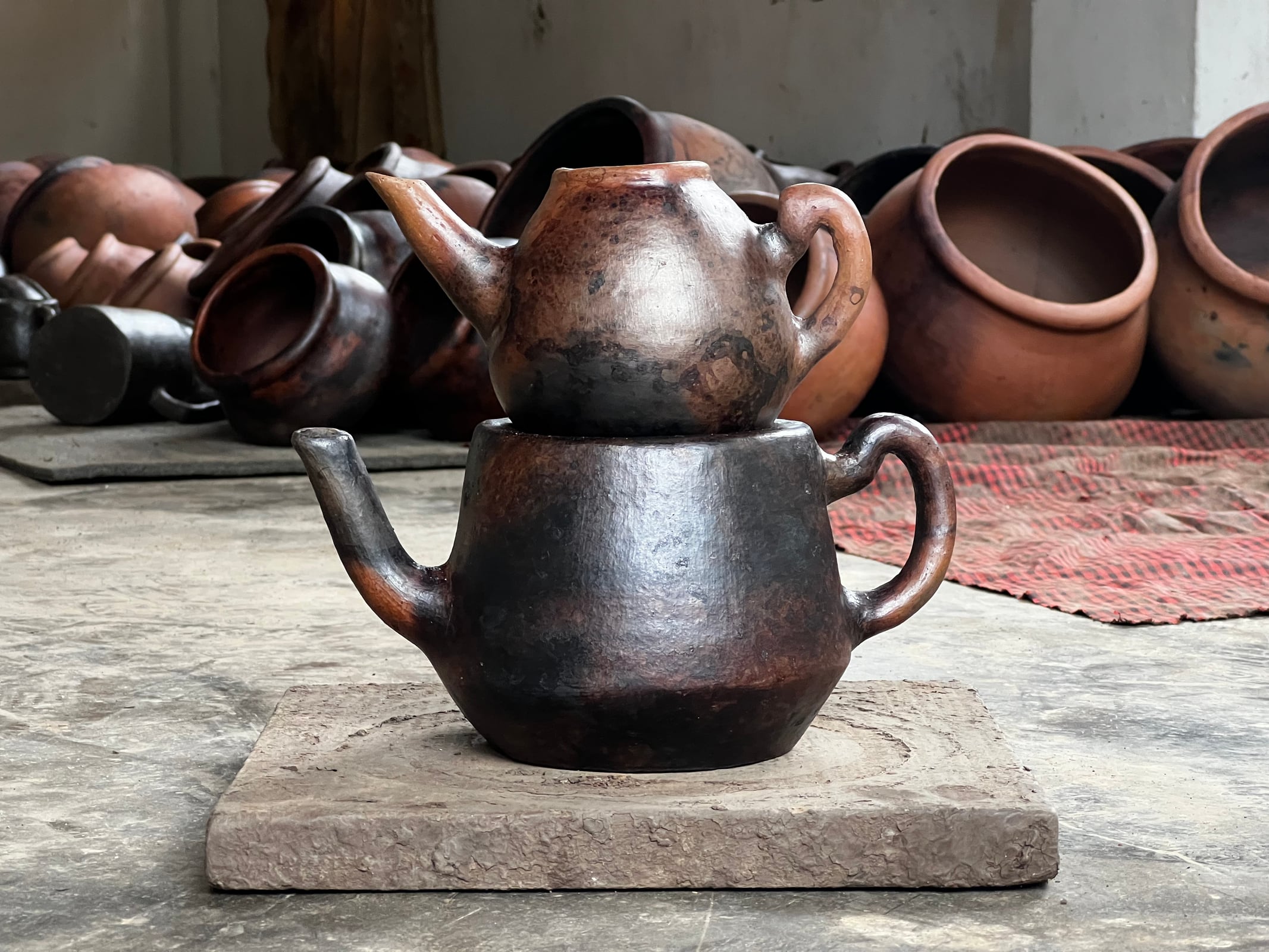
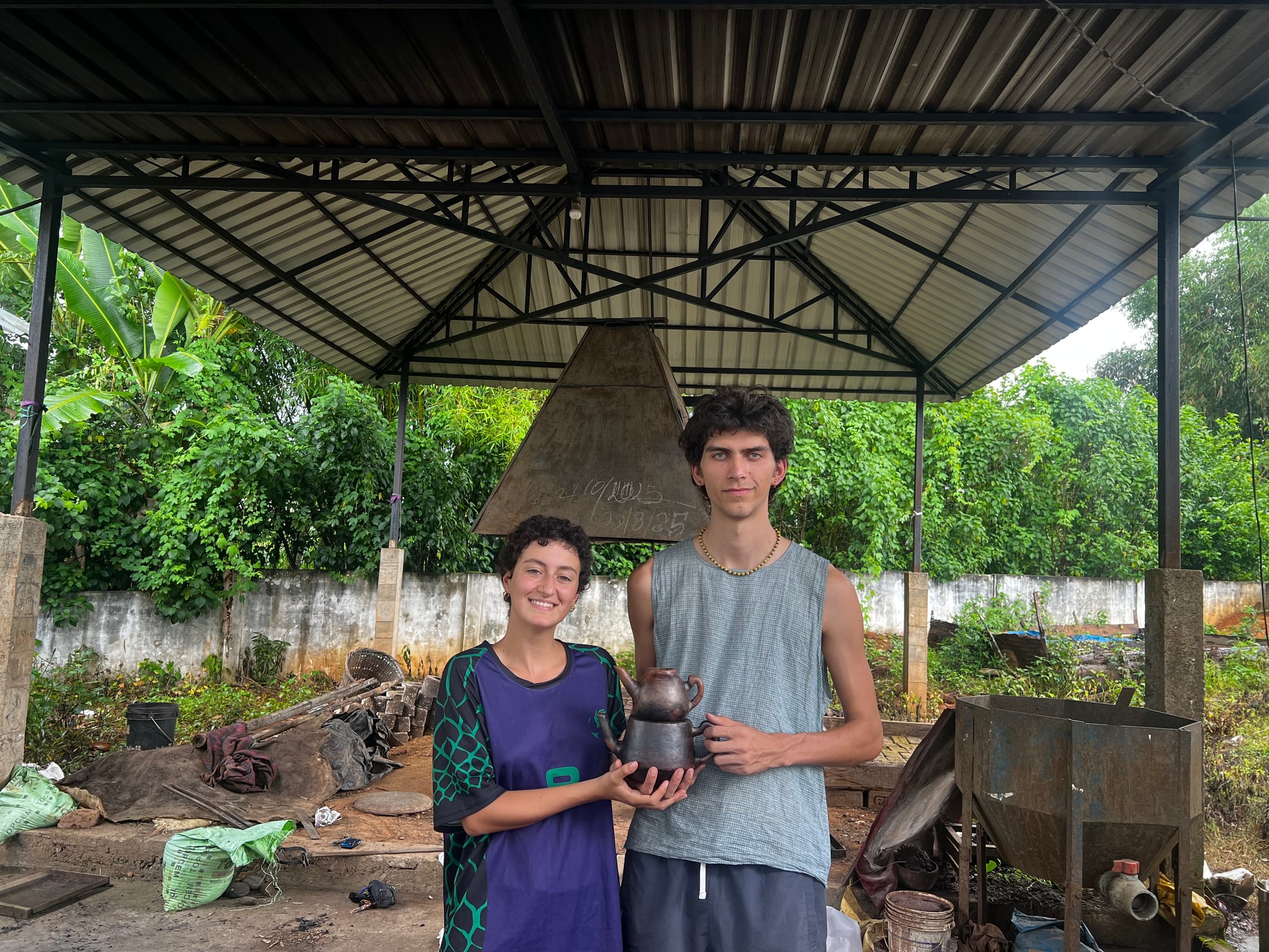
KIN does not use local craft as a ready-made aesthetic. The project exists in the negotiation between idea, technique, place, and the hands that give matter its form.